



Navigating Tipping in 2026: Essential Insights for Savvy Consumers
As we step into 2026, the landscape of tipping is evolving rapidly, influenced by economic changes and shifting societal norms. Consumers are left wondering how much to tip as inflation continues to impact service pricing. This article delves into the latest tipping trends, providing practical guidance for those looking to navigate this uncertain territory with confidence.
The Impact of Inflation on Tipping Practices
Inflation is a key factor affecting consumer behavior, particularly regarding gratuities. As prices rise, many individuals feel uncertain about adjusting their tipping habits. It's crucial to understand that while tipping expectations may fluctuate, recognizing the effort and service quality remains vital. Here are some factors influencing tipping in 2026:
- Service Industry Costs: With rising wages and operational costs, service providers may depend more on tips to augment their income.
- Consumer Sentiment: Customers are becoming more conscious of their spending and may evaluate the service received before tipping.
- Changing Norms: New industries, such as food delivery and ride-sharing, continue to redefine traditional tipping practices.
How Much Should You Tip in Various Scenarios?
Understanding the nuances of tipping across different services is essential for maintaining proper etiquette. Here’s a breakdown of recommended tipping percentages for various services:
Restaurants
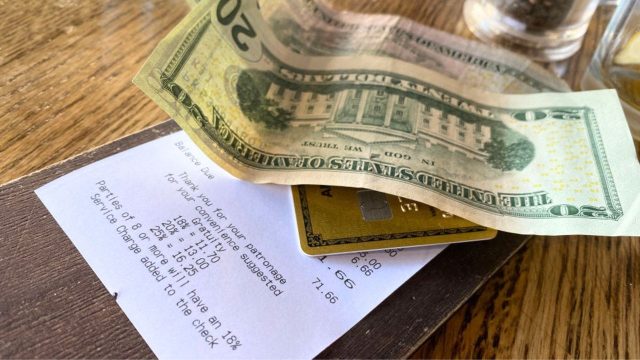
In sit-down restaurants, a tip of 15% to 20% is still the norm. However, if the service is exceptional, consider tipping up to 25%.
Delivery Services
For food delivery, tips usually range from 10% to 20%, depending on the distance traveled and the complexity of the order. A minimum tip of $3 to $5 is advisable for smaller orders, especially if extra effort was made.
Personal Services
Tips for personal service providers, such as hairdressers or massage therapists, generally range from 15% to 20% of the bill. It's worth noting that some may charge extra for specialized services, so consider adjusting your tip accordingly.
When is Tipping Optional?
While tipping is often expected, there are situations where it may not be necessary. Here’s when you might choose not to tip:
- Buffet Restaurants: Tipping is appreciated but not mandatory in a self-service buffet setting.
- Fast Food Outlets: At counter-service establishments, it’s generally acceptable to forgo tipping.
- Subpar Service: If you experience poor service, leaving a minimal tip can send a message while still acknowledging the staff's efforts.
Tips for Being a Considerate Tipper
In a world where tipping can be subjective, here are some best practices to consider for being a thoughtful and informed tipper:
1. Research Local Customs
Different regions and cultures have varying attitudes toward tipping. Take time to learn the local customs if you're in a new area.
2. Be Aware of Service Charges
In some establishments, especially in larger cities, service charges may be included in your bill. Always check your receipt before tipping.
3. Show Appreciation for Exceptional Service
When you receive outstanding service, consider tipping more than the average. This not only rewards the provider but encourages ongoing excellence in service.
Conclusion: Embrace the Evolving Tipping Landscape
As we navigate the complexities of tipping in 2026, it's important to remain flexible and informed. Inflation and changing societal norms will continue to influence how we tip. By understanding the expectations and practices around tipping in various contexts, you can make smarter, more considerate decisions that reflect both your appreciation for service and your financial awareness. Adjust your tipping strategies to align with the current climate, and you’ll not only contribute to the livelihoods of service professionals but also enhance your own consumer experience.